
Introduction
As the year comes to a close, businesses are evaluating performance metrics, setting budgets, and planning strategies for 2026. One of the most powerful, yet often underutilized, tools for shaping future growth is the customer journey map.
A customer journey map is more than a visual representation of touchpoints—it’s a strategic framework for understanding your audience’s experiences, pain points, and opportunities to drive conversions and loyalty. Reviewing it before January ensures your marketing, sales, and operational strategies are fully aligned to meet customer expectations in the new year.
In this article, we’ll explore why reviewing your customer journey map is essential, the benefits it offers, and actionable steps for refining your map to maximize engagement, retention, and revenue in 2026.
What Is a Customer Journey Map?
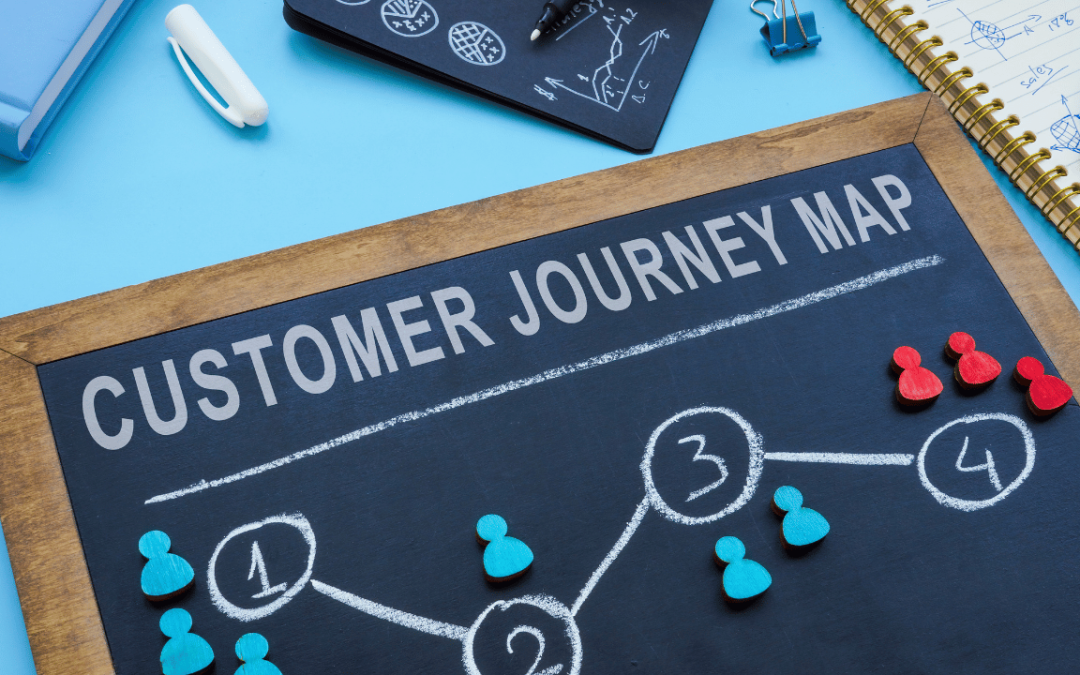
A customer journey map is a detailed visualization of the end-to-end experience your customers have with your business—from awareness to post-purchase interactions. It highlights every touchpoint, channel, and interaction, helping teams understand how customers perceive your brand and where improvements can be made.
Key components of a customer journey map include:
- Customer Personas: Who your ideal customers are and what motivates them.
- Touchpoints: All points of interaction with your brand, both online and offline.
- Emotional Journey: How customers feel at each stage, including pain points and moments of delight.
- Channels: Platforms and mediums used for engagement—websites, social media, email, in-store experiences, etc.
- Conversion Opportunities: Points where actions or purchases occur.
Post-2020, with digital transformation accelerating, journey maps have become critical for aligning marketing, operations, and customer experience initiatives. They provide a roadmap to optimize touchpoints, reduce friction, and drive loyalty.
Why Reviewing Your Customer Journey Map Before January Matters
1. Align Teams for a Strong Start to the Year
Reviewing the journey map ensures marketing, sales, and operations are aligned on the customer experience strategy, avoiding miscommunication and inefficiencies in campaigns and service delivery.
2. Identify Bottlenecks and Pain Points
Customer behavior changes rapidly. Auditing your journey map allows you to identify friction points that may have hindered conversions or customer satisfaction during the past year.
3. Optimize Conversion Paths
By understanding where customers drop off or disengage, businesses can implement targeted solutions to improve lead nurturing, checkout flows, and post-purchase follow-ups.
4. Personalize Marketing and Sales Strategies
Journey mapping provides insights into customer preferences, behaviors, and expectations, enabling tailored messaging that resonates and drives engagement.
5. Prepare for Year-End Campaigns and 2026 Growth
A fresh review ensures your campaigns are supported by a complete understanding of the customer experience, helping to launch effective promotions and programs in the new year.
5 Steps to Review and Optimize Your Customer Journey Map
1. Collect Updated Customer Data
Begin by gathering analytics, feedback, and behavioral data from all touchpoints—websites, CRM systems, surveys, social media, and customer support. Updated insights reflect how your audience interacts with your brand today.
Actionable Tip: Identify top-performing and underperforming touchpoints to prioritize improvements.
2. Reassess Customer Personas
Customer expectations and market segments evolve. Review your personas to ensure they accurately reflect current demographics, goals, challenges, and motivations.
Actionable Tip: Segment customers by behavior and value to tailor journeys effectively.
3. Map Current Touchpoints
Document every interaction customers have with your brand, from first awareness to post-purchase. Include digital and offline channels, ensuring no critical touchpoints are overlooked.
Actionable Tip: Use visual mapping tools like Lucidchart, Miro, or Smaply for clarity and team collaboration.
4. Analyze Emotional Journey
Identify moments where customers feel frustrated, confused, or delighted. Understanding emotional responses helps prioritize actions that reduce pain points and enhance positive experiences.
Actionable Tip: Incorporate customer feedback, surveys, and NPS scores to validate insights.
5. Implement Optimizations and Track Results
Once improvements are identified, implement changes in marketing campaigns, sales processes, or operational workflows. Set KPIs to measure impact on engagement, retention, and conversions.
Actionable Tip: Use dashboards and analytics tools to monitor performance and iterate continuously.
How to Prioritize Customer Journey Improvements
Not all updates yield the same results. Categorize potential improvements by impact and feasibility:
- High Impact / Low Effort: Quick fixes like improving CTA clarity, fixing broken links, or streamlining checkout.
- High Impact / High Effort: Redesigning key pages, integrating automation, or creating new content flows.
- Low Impact / Low Effort: Minor tweaks to images, wording, or layout that subtly enhance UX.
- Low Impact / High Effort: Major feature upgrades or new channel integrations that can be deferred.
Prioritizing in this way ensures maximum value and measurable results before the new year begins.
Common Mistakes When Reviewing Customer Journey Maps
- Neglecting Data Updates: Using outdated customer insights leads to ineffective changes.
- Overlooking Emotional Experience: Focusing solely on metrics ignores customer sentiment and engagement drivers.
- Failing to Align Teams: Marketing, sales, and operations working in silos reduce theimpact of improvements.
- Ignoring Post-Purchase Experience: The journey doesn’t end at purchase; retention and advocacy opportunities may be missed.
- Not Measuring Impact: Without KPIs, improvements cannot be validated or optimized.
FAQs About Customer Journey Maps
Q: How often should I review my customer journey map?
A: At least annually, with quarterly checks to adjust for market trends, customer behavior shifts, or new campaigns.
Q: Can small businesses benefit from journey mapping?
A: Yes. Even small teams can identify bottlenecks, enhance conversion paths, and deliver better customer experiences with journey mapping.
Q: Do I need specialized tools to map the journey?
A: While tools help, journey mapping can also be done manually using spreadsheets or whiteboards. Tools like Lucidchart, Miro, or Smaply make visualization and collaboration easier.
Q: How do I measure the effectiveness of journey improvements?
A: Track KPIs such as conversion rates, customer satisfaction (CSAT), retention rates, and Net Promoter Score (NPS) before and after implementing changes.
Final Thoughts + Call to Action
Reviewing your customer journey map before January is a strategic move that can significantly impact conversions, customer satisfaction, and revenue growth. By auditing touchpoints, updating personas, analyzing emotions, and implementing improvements, businesses ensure they start 2026 with aligned teams, optimized paths, and enhanced customer experiences.
Business leaders should prioritize this review now, focusing on high-impact changes that drive measurable outcomes.
Next Steps: Audit your customer journey map, identify friction points, and implement optimizations with a clear measurement plan. For expert guidance, Growth Point Partnership offers professional services to refine customer journeys, improve engagement, and accelerate growth in the new year.